
Smartwatch Manufacturers (2026): Buyer’s Guide & Directory
A practical guide to shortlist the right partner —
understand brands vs OEM/ODM factories, evaluate suppliers, and avoid common sourcing mistakes.
Need an OEM/ODM manufacturing partner (not just a brand list)?
If you’re building a private-label smartwatch or a project-ready wearable, the fastest way forward is to confirm the workflow first:
device → phone/gateway → your server → your dashboard/alerts.
We provide wearable hardware plus protocol/SDK documentation and integration guidance. The platform/app/backend is usually built and owned by your team or your system integrator (unless it becomes a paid custom project).
To recommend the right model for a pilot, please confirm:
• Use case + who wears it
• Connectivity preference (BLE / LoRaWAN / Cellular)
• Pilot quantity + target timeline
Or scroll down to the evaluation checklist below.
This page is a buyer’s guide + directory. The brand list below is for market reference only — it’s NOT an OEM/ODM factory list. If you’re sourcing a manufacturing partner, start from the evaluation checklist first.
Tabela de Conteúdos
How to Evaluate a Smartwatch Manufacturer (OEM/ODM Checklist)
Don’t start from a “top 10” list. Start from your workflow and integration ownership.
A reliable OEM/ODM partner should be clear on: what’s standard vs customized, what data you can access, and how you validate the pilot before scaling.
Minimum info to shortlist a supplier (keep it short)
• Use case + who wears it (and where: indoor/outdoor/both)
• Desired data flow (device → receiver → server → dashboard)
• Connectivity preference (BLE / LoRaWAN / cellular)
• Raw data vs processed metrics (any downlink/OTA/commands?)
• Rough pilot quantity + timeline
Category fit
Have they shipped a similar product type and use case? Ask for reference models and what’s standard vs custom — avoid suppliers learning on your project.
Firmware & data access
Confirm how you get data (protocol/SDK), and whether you need raw signals or processed metrics. Define what you must access from day one.
Sensors & measurement validity
Ask when readings are reliable (resting vs moving) and what affects accuracy. Firmware differences across models matter — confirm before you build on it.
Connectivity & data workflow
Lock the data path: device → phone/gateway → server → dashboard. Confirm who owns decoding/integration and whether downlink/OTA/commands are needed.
Industrial design & tooling (ID/MD)
Reuse an existing housing or build new ID/mold? Tooling decisions impact timeline, waterproofing, antenna layout, and manufacturing risk.
DFM, MOQ & lead time
Separate samples vs pilot vs mass production. Don’t accept fixed promises before config, approvals, and component availability are confirmed.
Quality & reliability
Check QC flow (incoming/in-process/outgoing), test coverage, failure handling, and traceability. Ask how firmware updates are controlled in production.
Compliance plan
Target market determines certification needs. Don’t assume compliance — verify early based on the exact model/config and destination market.
What a smartwatch manufacturer typically provides (and what’s not included)
Before comparing suppliers, align on scope. Most sourcing issues come from unclear responsibilities — not from hardware.
Typically included:
• Wearable hardware (reference models + configurable options)
• Protocol/SDK documents for integration (data access and command scope)
• Samples and pilot support (to validate your workflow)
• Manufacturing QA and production delivery (after specs are locked)
Usually NOT included by default (unless it becomes a paid custom project):
• Building/hosting your full dashboard/app/backend
• Deploying or operating gateways / network servers for you
• Guaranteed accuracy/battery/latency without confirmed real site conditions
• Final unit pricing / fixed lead time before model + config + quantity are confirmed
A quick responsibility map (recommended):
• Device & protocol/SDK: supplier
• Data flow design + decoding + dashboard/app: your team or your integrator
• Pilot success metric (what “works” means): both sides agree before scaling
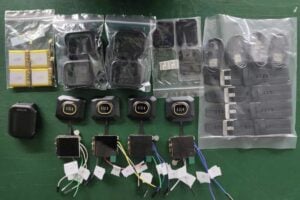
If you’re sourcing an OEM/ODM partner for private label production, see our factory view here:
https://ismarch.com/smartwatch-manufacturer/
Smartwatch categories that change OEM/ODM requirements
Not all “smartwatches” are built the same way. Your product category determined firmware scope, the way of access data, connection solutions, and cost structure
Pick your category first, then shortlist suppliers who’ve shipped similar projects.
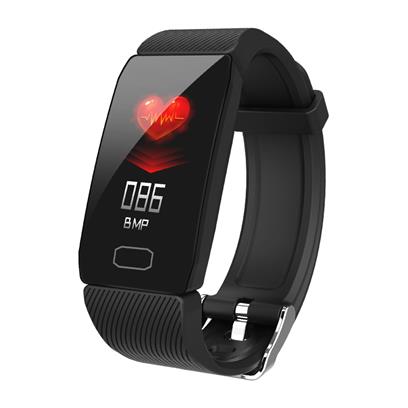
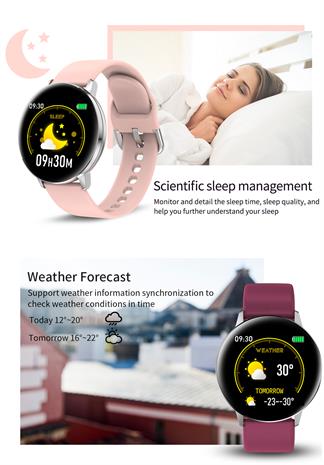
1) Consumer fitness & lifestyle
Usually app experience and sensor stability matter most.
Confirm what data you can access (processed metrics vs raw signals).
Avoid vague promises — define your target use conditions early.
2) Kids / campus / family safety
Battery life, reliability, and simple UX come first.
Connectivity and alert workflow must be clear (device → receiver → server → app).
Confirm how SOS/alerts are handled on the platform side.
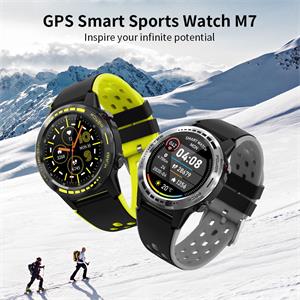
3) Rugged / outdoor / sports training
GNSS performance, sensor accuracy under movement, and enclosure design matter.
Confirm what affects readings (movement, wearing position, environment).
Define what “success” means in a pilot test before scaling.
4) Enterprise / industrial wearables
Durability, connectivity options, and integration ownership are key.
Data workflow and decoding responsibility must be confirmed before pilot.
Expect more “project-grade” requirements than consumer products.
5) Healthcare-style projects (regulated/claims-sensitive)
Certification and claims control become the biggest risk driver.
Do not market medical claims unless compliance is confirmed.
Define which metrics are “reference only” vs “decision-grade”.
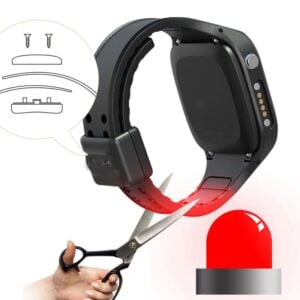
6) Custom / special markets (anti-tamper, restricted environments, etc.)
These projects often require scope-controlled customization (firmware/behavior/protocol).
Start with standard samples to validate workflow first, then lock customization level.
Expect a clearer requirements document before any engineering evaluation.
Quick self-check (answer these before contacting suppliers):
• Who wears it, where is it used (indoor/outdoor/both)?
• What’s the data flow (device → receiver → server → dashboard)?
• Preferred connectivity (BLE / LoRaWAN / cellular)?
• Raw data or processed metrics? Any downlink/OTA/commands?
• Pilot quantity + target timeline?
Smartwatch Market Scope (2026): what buyers actually mean
The smartwatch market is not one single market. In 2026, “smartwatch manufacturer” usually points to two different buyer intents:
1) Consumer brand view
People want to know major smartwatch brands and what a “good product” looks like across segments (premium, fitness, Android-focused, rugged, etc.).
2) OEM/ODM sourcing view
People are sourcing a manufacturing partner to build a product for their own brand or project. In this case, the key questions are completely different: firmware scope, data access, connectivity, documentation, compliance plan, pilot validation, and production quality.
Where the real complexity is (2026):
• Software + integration ownership: device → phone/gateway → server → dashboard (who builds what?)
• Data requirements: raw signals vs processed metrics (and what you can access)
• Connectivity choices: BLE-only vs long-range options (project dependent)
• Compliance + claims control: especially for healthcare-style projects
• Pilot-first approach: validate the workflow before scaling or customizing
If you’re sourcing an OEM/ODM partner, don’t start from a “top 10” list. Start from the checklist:
– Confirm your workflow and integration ownership
– Use the Supplier Scorecard to shortlist partners
– Send the RFP template to get consistent, comparable replies
3.2 Mercado de saúde e condicionamento físico
A saúde e a aptidão física ocuparão uma fatia significativa do mercado.
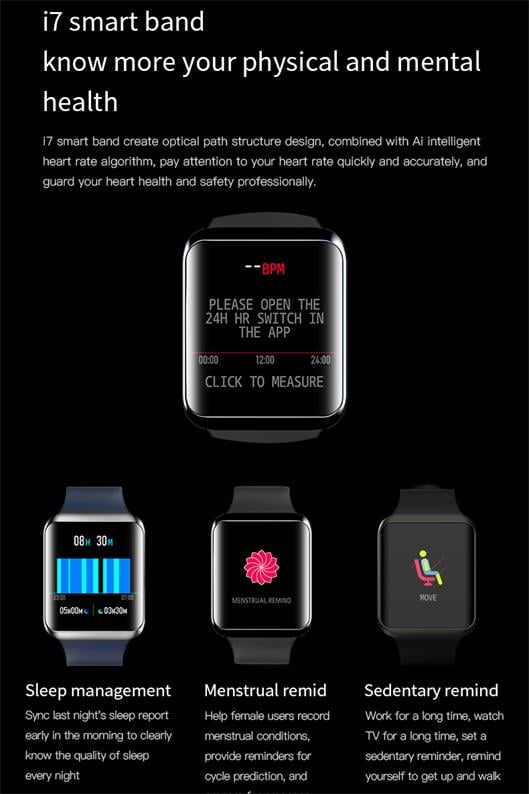
O monitoramento da saúde tem sido uma das características mais críticas da tecnologia wearable. Ele fornece aos entusiastas do fitness dados de saúde completos e essenciais para ajudá-los a compreender os dados durante o exercício e os lembra de prestar atenção à sua saúde, fornecendo uma visão da condição do paciente. Em particular, as pessoas da COVID-19 estão mais preocupadas com sua saúde, o que levou a um aumento na demanda do smartwatch. Como cada smartwatch tem um sensor de rastreamento, o crescimento dos smartwatch tem aumentado drasticamente devido a suas funções completas para registrar dados vitais de saúde.
O surgimento dos smartwatches economiza tempo e recursos dos usuários e ajuda os médicos a apresentar algumas informações de saúde complexas e importantes. Os dados permitem aos profissionais de saúde resolver problemas complexos, como os efeitos de uma nova droga, ou compreender remotamente as características físicas de um paciente, fazer um diagnóstico on-line, ou monitorar a recuperação de um paciente de uma cirurgia continuamente.
O Smartwatch possui um acelerômetro (sensor G) para detectar tremores e convulsões, especialmente para a doença como a epilepsia. Quando os ataques acontecem, um tratamento muito eficaz e dentro do prazo é uma parte importante para garantir o menor dano à saúde humana. Além disso, o smartwatch pode ser usado para alertar contatos de emergência, tais como familiares, médicos, amigos sobre crises que acontecem, o que pode ser muito útil para a recuperação dos pacientes.
Alguns fabricantes Top smartwatch já estão trabalhando na verificação clínica para aprovar se o software e algoritmo podem detectar condições reais de saúde, como ECG e fibrilação atrial ou pressão sanguínea ou glicemia, o que ajudará a fazer crescer o mercado.
3.3 IoT Smart Wearable market
Além dos relógios inteligentes, além do monitoramento sanitário, é uma excelente ajuda para as pessoas. Através do IoT, a tecnologia pode ser conectada a qualquer objeto e refletir sua ampla gama de usos.
Os Smartwatches podem ser usados em grandes fábricas para criar alertas de segurança para os trabalhadores e lembrá-los de trabalhar com segurança. Ele também pode ser usado para administrar a condução ordenada do trabalho diário dos funcionários, se todos completam o trabalho dentro do tempo prescrito, se há alguma preguiça? Você pode construir sistemas prisionais seguros que monitoram as pessoas em tempo real; os Smartwatches também podem enviar instruções de trabalho para lembrar os funcionários de lidar com assuntos urgentes.
As soluções para desgaste empresarial são:
- O ajuste perfeito para o mercado varejista.
- Tornando a gestão do inventário mais rápida e fácil.
- Permitindo chamadas e notificações silenciosas para melhorar a eficiência, enquanto liberta as mãos dos funcionários para outras tarefas.
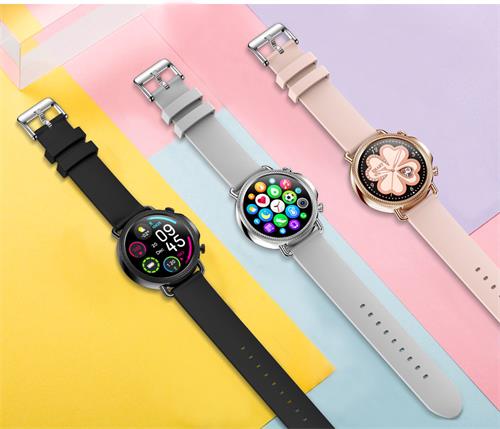
3.4 Mercado consumidor
Como os governos gastam no desenvolvimento de cidades inteligentes e facilitam o desenvolvimento da Internet das Coisas, espera-se que várias aplicações aumentem a demanda por smartwatches.
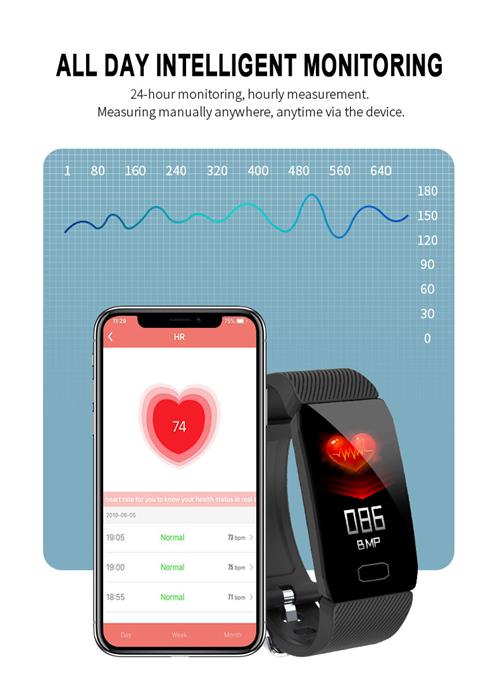
O aumento da demanda por relógios inteligentes com as mais novas características é a principal razão que se espera que atue no crescimento do mercado mundial de relógios inteligentes. Além disso, cada vez mais consumidores finais adotam serviços de saúde domiciliar remotos, o que também leva a um aumento da demanda por relógios.
Ele pode ajudar a compartilhar dados de saúde com profissionais ou médicos contratados on-line e serviços de emergência de alarme quando necessário. A saúde domiciliar também aumenta a demanda por relógios inteligentes profissionais.
Quais são seus cenários de aplicação com o smartwatch? Compartilhe sua idéia.
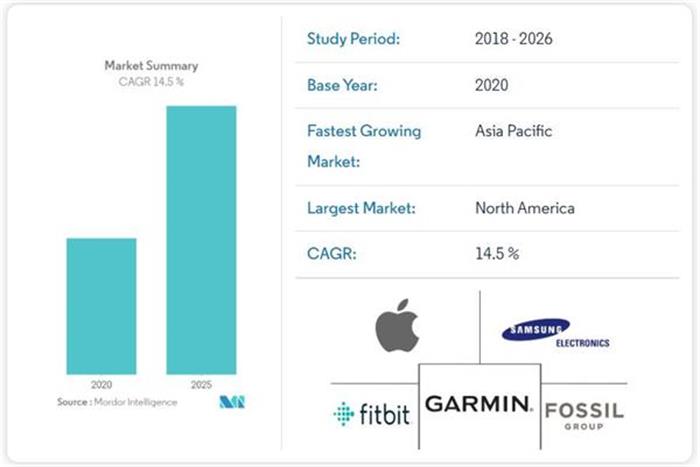
Major Smartwatch Brands (What people often mean by “smartwatch manufacturer”)
Quick note: the brands below are for market reference only. They are not OEM/ODM factories.
If you’re looking for a smartwatch manufacturing partner (OEM/ODM) to build your own product, jump to “How to Evaluate a Smartwatch Manufacturer” and use the Supplier Scorecard + RFP template on this page.
Search intent is mixed for “smartwatch manufacturer”. Some people want to know the leading consumer brands. Others are trying to source an OEM/ODM partner to build a product for their own brand or project.
To avoid confusion, this section lists major brands for reference. It helps you understand what “good products” look like in different segments (premium, fitness, Android-focused, rugged, etc.).
But if your real goal is manufacturing (OEM/ODM), you should evaluate very different things: firmware scope, sensor data access, connectivity, documentation, compliance plan, and how the supplier supports samples → pilot → scale.
Use this page as a decision guide: learn the criteria first, then shortlist partners. Don’t start from a “top 10” list.
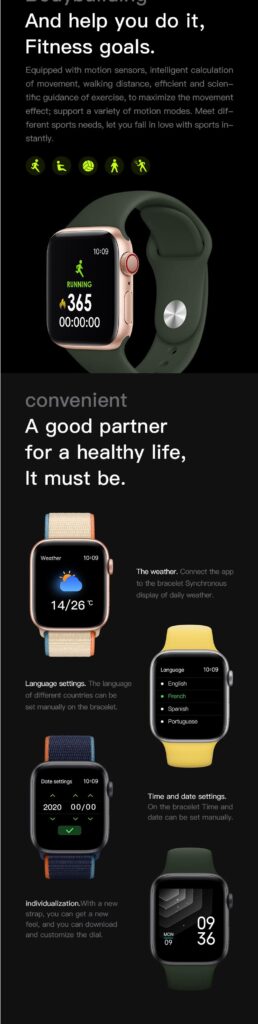

4.1 Maçã
https://www.apple.com/watch/
Known for: premium ecosystem-driven smartwatches, strong health features, and tight iPhone integration.
Best for: premium consumer positioning and iOS-first user bases.
What to check: device compatibility (iOS requirements), regional availability, and long-term software support expectations.
4.2 Samsung
https://www.samsung.com/us/watches/
Known for: mainstream Android smartwatches with broad features and strong hardware design.
Best for: Android-first markets and buyers who want a well-known consumer brand.
What to check: Android ecosystem fit, app/service dependencies, and region-specific model availability.

4.3 Lenovo
https://www.lenovo.com/
Known for: a wide consumer electronics portfolio and occasional smartwatch offerings.
Best for: buyers exploring broad consumer electronics ecosystems.
What to check: current smartwatch lineup (can vary by cycle), software ecosystem, and support/updates in your target region.

4.4 Garmin
https://www.garmin.com/en-US/
Known for: GPS-focused sports and outdoor wearables with strong tracking features.
Best for: sports, outdoor, and training-heavy use cases.
What to check: positioning accuracy expectations, map/service dependencies, and feature differences across product lines.

4.5 Fitbit
https://www.fitbit.com/
Known for: fitness tracking and health-focused wearables with strong consumer branding.
Best for: lifestyle fitness and wellness-oriented product expectations.
What to check: platform/account requirements, app ecosystem fit, and availability/support in your target market.

4.6 LG
https://www.lg.com/us/mobile
LG is a global electronics brand. Wearable availability can vary by product cycle and region.
Best for: market reference only (brand-level comparison).
What to check: the latest lineup, OS compatibility, and long-term software support before making decisions.
4.7 Huawei
https://consumer.huawei.com/en/wearables/
Known for: strong consumer wearables presence in many markets, with a broad product lineup.
Best for: buyers comparing major consumer brand options, especially outside the US ecosystem.
What to check: service/app ecosystem requirements, regional availability, and any platform restrictions in your target market.

4.8 FOSSIL
https://www.fossil.com/en-us/smartwatches/smartwatches/
Known for: fashion-led wearables and watch-style designs across multiple product generations.
Best for: design-first positioning where aesthetics matter.
What to check: current model availability, OS/platform support, and how well features match your target users.

4.9 Eletroeletro Polar
https://www.polar.com/us-en/products
Known for: training and sports-focused wearables with strong fitness tracking heritage.
Best for: professional training, coaching, and sports performance scenarios.
What to check: analytics/software ecosystem, sensor/training metrics fit, and region-specific product support.
OEM/ODM Manufacturing Partner Spotlight (not a consumer brand)

4.10 iSmarch
https://www.ismarch.com
iSmarch (OEM/ODM) builds project-ready smartwatches and smart bands for private label and enterprise/IoT use cases.
What we provide:
– Wearable hardware + protocol/SDK documentation for integration
– Multiple connectivity options (BLE / LoRaWAN / cellular, model dependent)
– Sample → pilot → scale support, with scope-controlled customization
What we typically don’t provide by default:
– A full hosted dashboard/app/backend (usually owned by the customer or integrator)
Best next step:
Share your workflow (device → receiver → server → dashboard), preferred connectivity, and pilot quantity — then we’ll recommend the closest reference model and the fastest path to start.
Factory/OEM/ODM details: https://ismarch.com/smartwatch-manufacturer/
OEM vs ODM vs Full Custom (and the safest way to start)
Smartwatch OEM
These terms are often mixed up. Here’s the practical difference:
• OEM (private label):
Use an existing hardware platform and produce under your brand. Branding and small configuration changes are common.
• ODM (platform-based customization):
Start from an existing platform, then modify firmware/behavior/protocol within a controlled scope to match your workflow.
• Full custom:
New industrial design, new PCB or major hardware changes. This has the highest cost/risk and should only start after a validated pilot and locked requirements.
Que tipo de trabalho de personalização OEM você poderia fazer com seu projeto smartwatch?
A cor diferente de uma caixa de relógio, você poderia até mesmo escolher outra matéria-prima ou tratamento de perspectiva com base em suas necessidades;
A matéria prima da alça Smartwatch é o silicone, mas você pode personalizar couro, alça tecida, malha, alça de aço com cores diferentes, ou pode fazer alguma impressão de logotipo ou imagem nas alças;
Sua customização do aplicativo, como exibir os dados, ou nome do aplicativo. Ou podemos enviar a você nosso App SDK, então você faz sua integração App no smartwatch;
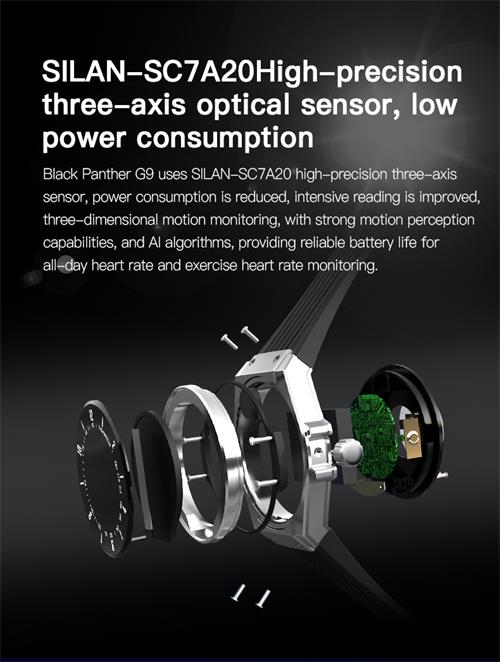
OEM (private label) — fastest path to pilot
OEM is best when you want a fast pilot with minimum risk.
Typical OEM scope includes:
• Logo/branding, strap/color options
• Packaging adjustments
• Feature toggles within existing firmware options (model dependent)
Best practice: start with 1–2 samples to validate the workflow first, then scale to a small pilot before mass production discussions.
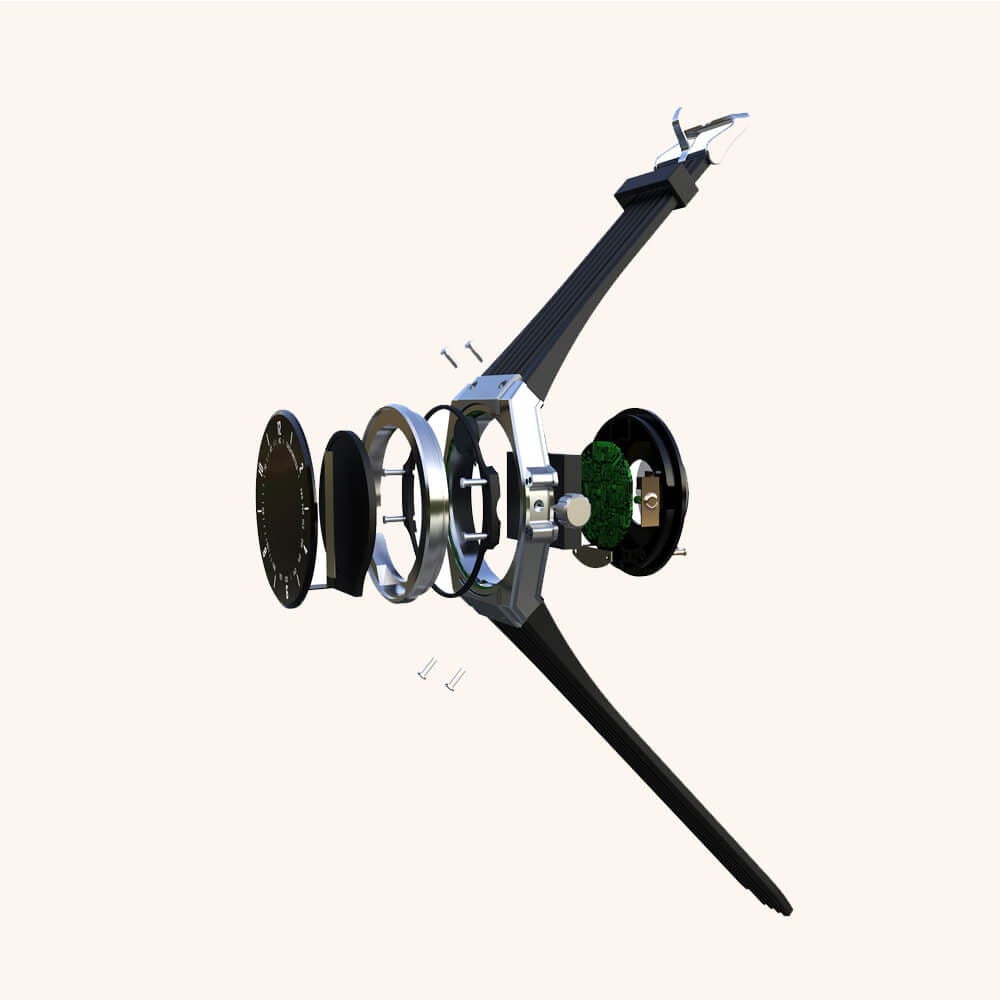
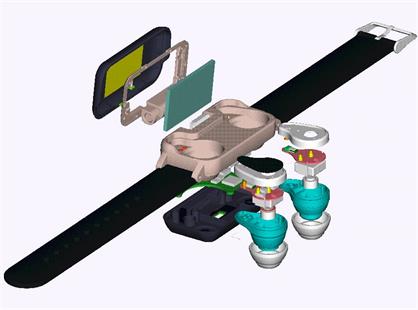
ODM (platform-based) — scope-controlled customization
ODM is for projects that need controlled changes beyond branding, such as:
• Firmware behavior tweaks (sampling, triggers, alerts)
• Protocol adjustments (within a defined scope)
• Integration-friendly outputs for your backend/dashboard
Before any ODM evaluation, confirm:
• Data flow (device → receiver → server → dashboard)
• Who owns decoding/integration
• Raw data vs processed metrics
• Any downlink/OTA/commands needed
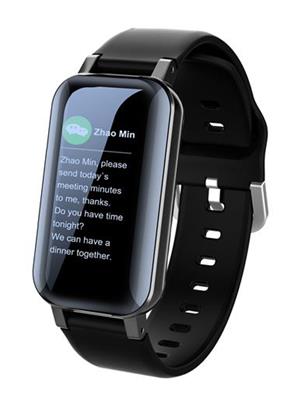
How to choose: OEM vs ODM vs Full Custom
Choose based on risk and speed:
• Choose OEM if:
You want the fastest validation and can accept an existing platform.
• Choose ODM if:
Your workflow needs specific firmware/protocol behaviors, but you still want to reuse an existing platform.
• Choose Full custom if:
You must change enclosure/PCB/antennas/sensors significantly — and you already validated the pilot and locked the requirement document.
Recommended path: sample → pilot → customization level
To avoid expensive mistakes, we recommend:
Level 0 — Standard product (validate workflow fastest)
Level 1 — Light customization (branding / small toggles)
Level 2 — Medium customization (firmware/protocol tweaks within scope)
Level 3 — Deep customization (PCB/enclosure/mold)
Best next step is usually 1–2 samples for a quick pilot. After the workflow is proven, we can lock the customization level and discuss the project plan.
How to find a reliable smartwatch manufacturer (7-step sourcing process)
Use this 7-step process to source a reliable smartwatch manufacturer without wasting weeks on back-and-forth:
Step 1 — Define your category + success metric
Decide your product category and what “success” means in a pilot (battery target, workflow, key features).
Step 2 — Lock the workflow
Write the data flow in one line: device → phone/gateway → server → dashboard/alerts. Confirm who owns decoding and integration.
Step 3 — Decide connectivity + data needs
Choose BLE / LoRaWAN / cellular (project dependent). Confirm whether you need raw sensor signals or processed metrics.
Step 4 — Shortlist 3–5 suppliers using the scorecard
Score category fit, firmware/data access, connectivity, compliance plan, and QC process — don’t rely on a “top 10” list.
Step 5 — Send one consistent RFP
Use the same RFP template to all suppliers so replies are comparable (model recommendation + what’s standard vs custom).
Step 6 — Run samples → pilot
Start with 1–2 samples, then a small pilot. Validate real workflow before discussing deep customization.
Step 7 — Only then discuss customization level and scaling
Lock the customization level (OEM / ODM / full custom), confirm scope, then move to production planning.
About iSmarch (and when we’re a good fit)
Fabricante líder de relógios Smartwatch na China
Com iSmarch 9+ anos de know-how em diferentes aplicações, oferecemos ao consumidor smartwatch para grandes lojas on-line, lojas físicas, grandes marcas de relógios e soluções inteligentes de IoT para a saúde, lar de idosos, campus inteligente, fluxo de trabalho, prisão, etc.
iSmarch é uma das primeiras empresas que se concentram em ferramentas privadas smartwatch & fitness band e usam nosso know-how para aplicar processos rigorosos de controle de qualidade, desde testes padrão regulares até App, software, placa PCBA, testes de bateria.
Product & Engineer Team
Wide Smartwatch Product Range
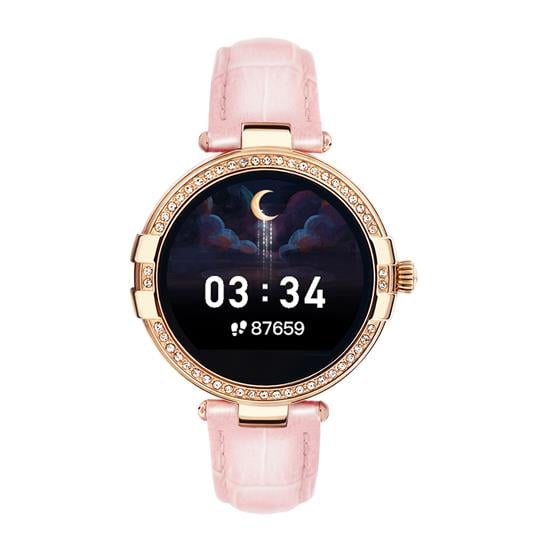
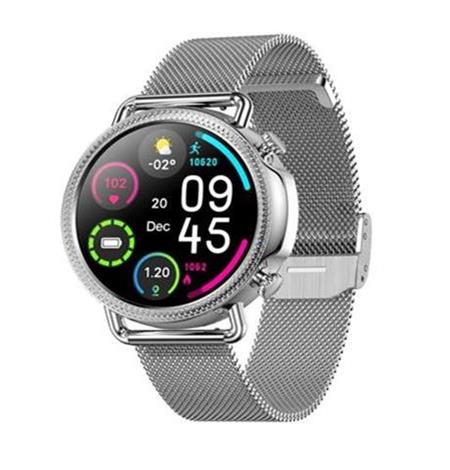
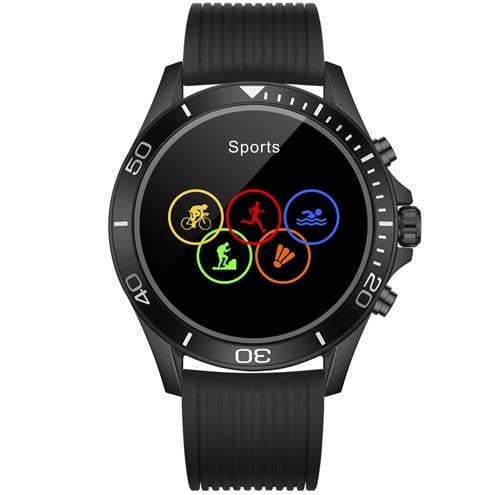
Adotamos tecnologia avançada de classe mundial para engenharia de produção e P&D. Produzimos uma gama completa de relógios inteligentes, fitas de fitness, pulseiras inteligentes, GPS para esportes ao ar livre, relógio SOS, relógio inteligente para adultos, relógio inteligente para crianças, relógio inteligente de moda para senhoras.
Temos também um relógio inteligente profissional para uma aplicação vertical como um lar de idosos, Tele-saúde, monitoramento remoto para sinais vitais. Vendemos uma solução para nossos clientes.
Strong R&D Engineer Team
Temos mais de 50 engenheiros profissionais da indústria Smart Wearable em nossa equipe. As habilidades de nossa equipe de engenheiros cobrem o projeto de hardware e tornam sua idéia de um papel de desenho em realidade. Mas também desenvolvimento de software, incluindo algoritmo, App, e desenvolvimento de firmware.
A equipe iSmarch está constantemente fornecendo soluções smartwatch de ponta a ponta. Portanto, seja bem-vindo a qualquer projeto OEM & ODM smartwatch. Isto é o que fazemos principalmente para nossos clientes.
Factory & MOQ
Advanced manufacturing process & quality control
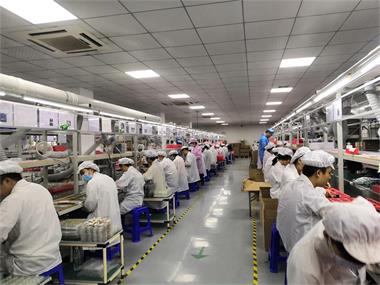
Com mais de nove anos de experiência na indústria de relógios inteligentes, produzimos produtos baseados em um moderno processo de fabricação baseado em um sistema ERP, fazendo toda a produção sob gestão. É por isso que mantemos uma qualidade estável e contínua, com prazos de entrega rápidos para nossos clientes. Este é um dos fatores críticos para o sucesso na indústria de relógios inteligentes.
Flexible MOQ + 48 hours stock ready for shipment
Se você quiser adicionar um relógio inteligente à sua linha de produtos para testar o mercado, você preferirá começar com um pedido pequeno e mais SKU. E nós entendemos perfeitamente qual é sua preocupação porque já ajudamos muitas empresas de relógios/consumidores eletrônicos/presentes de 0 a serem os 3 principais fornecedores de relógios smartwatch em seu mercado.
Manteremos estoque suficiente para um embarque de 48 horas para a maioria de nossos principais itens de venda após recebermos seu pagamento. E nosso MOQ é de apenas 100pcs para cada item após seu teste de amostra, mas este é um smartwatch e um pacote neutro.
Agregar valor
Extra Free Service
iSmarch tem uma equipe de marketing bem treinada que pode ajudar você a criar marketing documentos e materiais para sua marca, tais como figuras de produtos de alta resolução, fotos em 3D, display para loja física ou exposição, análise da concorrência de marketing e muito mais...
Nós nos beneficiamos do sucesso de nossos clientes, por isso estamos interessados em fornecer documentos de marketing eficazes para apoiar a promoção de seus smartwatches. Todos os nossos serviços adicionais visam fornecer uma solução econômica, completa e tudo em um para sua empresa.
Por outro lado, temos muitos anos de experiência em smartwatch, por isso entendemos todas as suas perguntas, teremos uma série de vídeos e PDF FAQ para guiá-lo quando você tiver alguma dúvida.
Mini Directory (Buyer-friendly, category style)
Use these as starting points. When you’re ready to hire, jump to the service page: smartwatch manufacturer →
Featured: iSmarch — Smartwatch Manufacturer
Profile: Shenzhen-based; OEM/ODM and full custom; SDKs & protocol docs available.
Highlights: nRF52840 BLE platform, rugged TFT/MIP designs, options for GPS/UWB/LoRaWAN/CAT-1.
Private-label Consumer Styles (Category)
Slim fitness, outdoor sports, niche screenless/hybrid; branding packs, gift packaging.
Project-grade / Enterprise (Category)
Raw data access (PPG/accel/gyro where applicable), gateway integration, module openness by agreement.
Explore custom path →
Positioning & Safety Add-ons (Category)
UWB ranging variants, beacon-assisted indoor positioning, helmet attachments with prompts.
Frequently Asked Questions
A brand sells products to end users. An OEM/ODM manufacturer builds hardware for your brand or project. Sourcing a manufacturing partner requires checking firmware scope, data access, integration ownership, and pilot validation — not just brand popularity.
Typically no. We provide wearable hardware plus protocol/SDK documentation and integration guidance. The app/dashboard/backend is usually built and owned by the customer or their system integrator (unless it becomes a paid custom project).
Use case + who wears it, where it’s used (indoor/outdoor/both), preferred connectivity (BLE/LoRaWAN/cellular), your data workflow (device → receiver → server → dashboard), raw data vs processed metrics, pilot quantity, and timeline.
Samples first. A small pilot is the fastest way to validate the real workflow and integration on your side. After the workflow is proven, we lock the customization level and discuss the project plan.
Yes, within a controlled scope. For deeper changes, we need a clear requirement document and confirmed responsibilities (who owns backend/app, decoding, and integration).
It depends on the model and the integration method. Some raw data access may require a connected workflow (SDK/protocol) and, in certain cases, customization. Tell us what data you need and how you plan to process it.
Not before real conditions are confirmed. Accuracy and battery life depend on wearing conditions, movement, environment, firmware settings, and data upload strategy. That’s why we recommend a pilot test first.
We provide protocol/SDK documentation and explain the integration path. Payload decoding and platform integration are typically implemented on the customer side (server/app/dashboard), unless otherwise contracted.
Certification depends on the target market and the exact model/configuration. Confirm your destination market first, then we can align on a compliance plan before any commitments.
Consulte seu especialista em relógio inteligente iSmarch
To recommend the right model and sample plan, please share the basics below. Short answers are fine — we just want to avoid guessing wrong.
Please include:
1) Use case + who wears it (and where: indoor/outdoor/both)
2) Desired workflow (device → phone/gateway → server → dashboard/alerts)
3) Connectivity preference (BLE / LoRaWAN / cellular)
4) Data needs (raw signals vs processed metrics; any downlink/OTA/commands?)
5) Quantity & timeline (samples / pilot / scale)
 Português do Brasil
  English
  Español de Argentina
  العربية
  Deutsch (Sie)