
Smartwatch Manufacturers (2026): Buyer’s Guide & Directory
A practical guide to shortlist the right partner —
understand brands vs OEM/ODM factories, evaluate suppliers, and avoid common sourcing mistakes.
Need an OEM/ODM manufacturing partner (not just a brand list)?
If you’re building a private-label smartwatch or a project-ready wearable, the fastest way forward is to confirm the workflow first:
device → phone/gateway → your server → your dashboard/alerts.
We provide wearable hardware plus protocol/SDK documentation and integration guidance. The platform/app/backend is usually built and owned by your team or your system integrator (unless it becomes a paid custom project).
To recommend the right model for a pilot, please confirm:
• Use case + who wears it
• Connectivity preference (BLE / LoRaWAN / Cellular)
• Pilot quantity + target timeline
Or scroll down to the evaluation checklist below.
This page is a buyer’s guide + directory. The brand list below is for market reference only — it’s NOT an OEM/ODM factory list. If you’re sourcing a manufacturing partner, start from the evaluation checklist first.
جدول المحتويات
How to Evaluate a Smartwatch Manufacturer (OEM/ODM Checklist)
Don’t start from a “top 10” list. Start from your workflow and integration ownership.
A reliable OEM/ODM partner should be clear on: what’s standard vs customized, what data you can access, and how you validate the pilot before scaling.
Minimum info to shortlist a supplier (keep it short)
• Use case + who wears it (and where: indoor/outdoor/both)
• Desired data flow (device → receiver → server → dashboard)
• Connectivity preference (BLE / LoRaWAN / cellular)
• Raw data vs processed metrics (any downlink/OTA/commands?)
• Rough pilot quantity + timeline
Category fit
Have they shipped a similar product type and use case? Ask for reference models and what’s standard vs custom — avoid suppliers learning on your project.
Firmware & data access
Confirm how you get data (protocol/SDK), and whether you need raw signals or processed metrics. Define what you must access from day one.
Sensors & measurement validity
Ask when readings are reliable (resting vs moving) and what affects accuracy. Firmware differences across models matter — confirm before you build on it.
Connectivity & data workflow
Lock the data path: device → phone/gateway → server → dashboard. Confirm who owns decoding/integration and whether downlink/OTA/commands are needed.
Industrial design & tooling (ID/MD)
Reuse an existing housing or build new ID/mold? Tooling decisions impact timeline, waterproofing, antenna layout, and manufacturing risk.
DFM, MOQ & lead time
Separate samples vs pilot vs mass production. Don’t accept fixed promises before config, approvals, and component availability are confirmed.
Quality & reliability
Check QC flow (incoming/in-process/outgoing), test coverage, failure handling, and traceability. Ask how firmware updates are controlled in production.
Compliance plan
Target market determines certification needs. Don’t assume compliance — verify early based on the exact model/config and destination market.
What a smartwatch manufacturer typically provides (and what’s not included)
Before comparing suppliers, align on scope. Most sourcing issues come from unclear responsibilities — not from hardware.
Typically included:
• Wearable hardware (reference models + configurable options)
• Protocol/SDK documents for integration (data access and command scope)
• Samples and pilot support (to validate your workflow)
• Manufacturing QA and production delivery (after specs are locked)
Usually NOT included by default (unless it becomes a paid custom project):
• Building/hosting your full dashboard/app/backend
• Deploying or operating gateways / network servers for you
• Guaranteed accuracy/battery/latency without confirmed real site conditions
• Final unit pricing / fixed lead time before model + config + quantity are confirmed
A quick responsibility map (recommended):
• Device & protocol/SDK: supplier
• Data flow design + decoding + dashboard/app: your team or your integrator
• Pilot success metric (what “works” means): both sides agree before scaling
If you’re sourcing an OEM/ODM partner for private label production, see our factory view here:
https://ismarch.com/smartwatch-manufacturer/
Smartwatch categories that change OEM/ODM requirements
Not all “smartwatches” are built the same way. Your product category determined firmware scope, the way of access data, connection solutions, and cost structure
Pick your category first, then shortlist suppliers who’ve shipped similar projects.
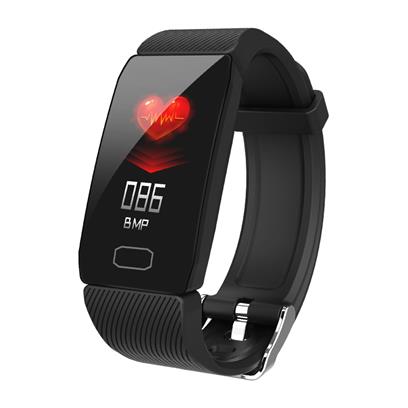
1) Consumer fitness & lifestyle
Usually app experience and sensor stability matter most.
Confirm what data you can access (processed metrics vs raw signals).
Avoid vague promises — define your target use conditions early.
2) Kids / campus / family safety
Battery life, reliability, and simple UX come first.
Connectivity and alert workflow must be clear (device → receiver → server → app).
Confirm how SOS/alerts are handled on the platform side.
3) Rugged / outdoor / sports training
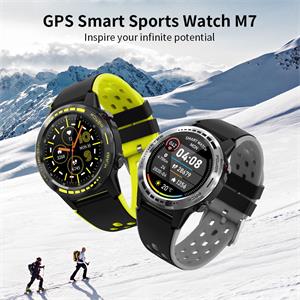
GNSS performance, sensor accuracy under movement, and enclosure design matter.
Confirm what affects readings (movement, wearing position, environment).
Define what “success” means in a pilot test before scaling.
4) Enterprise / industrial wearables
Durability, connectivity options, and integration ownership are key.
Data workflow and decoding responsibility must be confirmed before pilot.
Expect more “project-grade” requirements than consumer products.
5) Healthcare-style projects (regulated/claims-sensitive)
Certification and claims control become the biggest risk driver.
Do not market medical claims unless compliance is confirmed.
Define which metrics are “reference only” vs “decision-grade”.
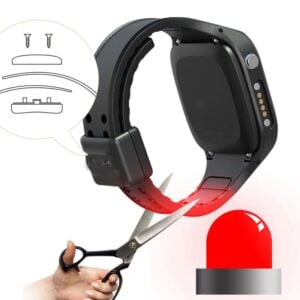
6) Custom / special markets (anti-tamper, restricted environments, etc.)
These projects often require scope-controlled customization (firmware/behavior/protocol).
Start with standard samples to validate workflow first, then lock customization level.
Expect a clearer requirements document before any engineering evaluation.
Quick self-check (answer these before contacting suppliers):
• Who wears it, where is it used (indoor/outdoor/both)?
• What’s the data flow (device → receiver → server → dashboard)?
• Preferred connectivity (BLE / LoRaWAN / cellular)?
• Raw data or processed metrics? Any downlink/OTA/commands?
• Pilot quantity + target timeline?
Smartwatch Market Scope (2026): what buyers actually mean
The smartwatch market is not one single market. In 2026, “smartwatch manufacturer” usually points to two different buyer intents:
1) Consumer brand view
People want to know major smartwatch brands and what a “good product” looks like across segments (premium, fitness, Android-focused, rugged, etc.).
2) OEM/ODM sourcing view
People are sourcing a manufacturing partner to build a product for their own brand or project. In this case, the key questions are completely different: firmware scope, data access, connectivity, documentation, compliance plan, pilot validation, and production quality.
Where the real complexity is (2026):
• Software + integration ownership: device → phone/gateway → server → dashboard (who builds what?)
• Data requirements: raw signals vs processed metrics (and what you can access)
• Connectivity choices: BLE-only vs long-range options (project dependent)
• Compliance + claims control: especially for healthcare-style projects
• Pilot-first approach: validate the workflow before scaling or customizing
If you’re sourcing an OEM/ODM partner, don’t start from a “top 10” list. Start from the checklist:
– Confirm your workflow and integration ownership
– Use the Supplier Scorecard to shortlist partners
– Send the RFP template to get consistent, comparable replies
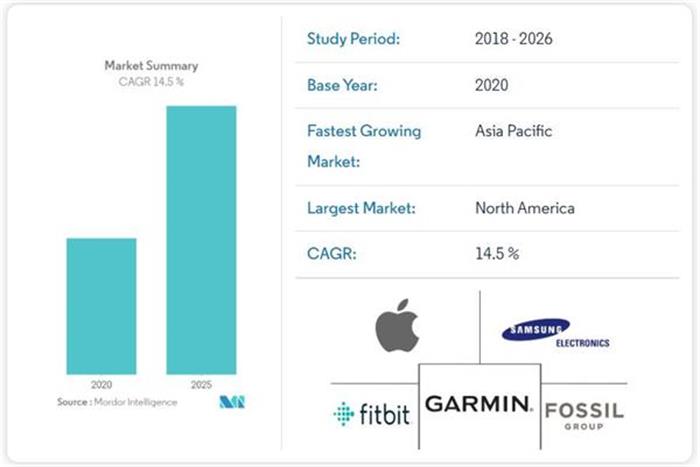
3.2 سوق الرعاية الصحية واللياقة البدنية
ستستحوذ الرعاية الصحية واللياقة البدنية على حصة كبيرة من السوق.
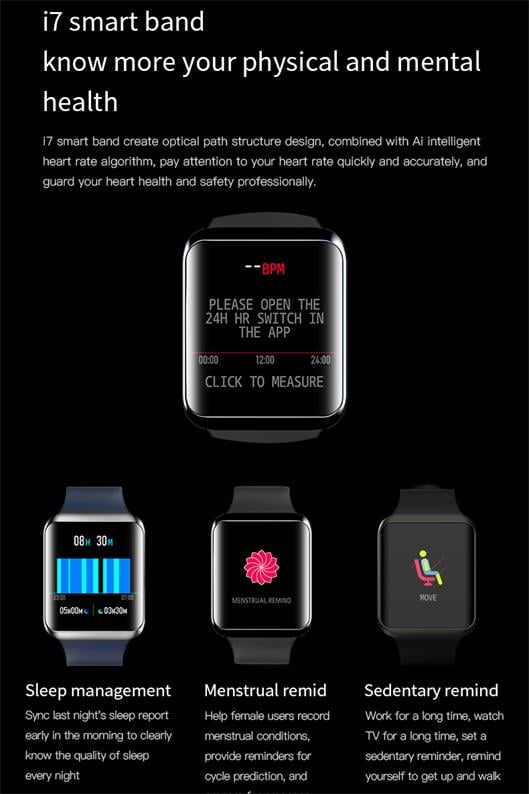
لقد كانت مراقبة الصحة من أهم ميزات التكنولوجيا القابلة للارتداء. فهي تزود عشاق اللياقة البدنية ببيانات صحية كاملة وأساسية لمساعدتهم على فهم البيانات أثناء ممارسة التمارين الرياضية، وتذكرهم بالاهتمام بصحتهم من خلال توفير نظرة ثاقبة لحالة المريض. وعلى وجه الخصوص، أصبح الأشخاص الذين يعانون من فيروس كورونا المستجد (كوفيد-19) أكثر اهتمامًا بصحتهم، مما أدى إلى زيادة الطلب على الساعات الذكية. نظرًا لأن كل ساعة ذكية تحتوي على مستشعر تتبع، فقد زاد نمو الساعات الذكية بشكل كبير بسبب وظائفها الكاملة لتسجيل البيانات الصحية الحيوية.
إن ظهور الساعات الذكية يوفر على المستخدمين الوقت والموارد ويساعد الأطباء في تقديم بعض المعلومات الصحية المعقدة والمهمة. وتسمح البيانات لأخصائيي الرعاية الصحية بحل المشاكل المعقدة، مثل آثار دواء جديد، أو فهم الخصائص البدنية للمريض عن بُعد، أو إجراء تشخيص عبر الإنترنت، أو مراقبة تعافي المريض من الجراحة بشكل مستمر.
تحتوي الساعة الذكية في الداخل على مقياس تسارع (مستشعر تسارع) للكشف عن الرعشة والنوبات، خاصةً بالنسبة لأمراض مثل الصرع. عند حدوث النوبات، يعد العلاج الفعال للغاية وفي الوقت المناسب جزءًا مهمًا لضمان أقل ضرر على صحة الإنسان. وعلاوة على ذلك، يمكن استخدام الساعة الذكية لتنبيه جهات الاتصال في حالات الطوارئ مثل العائلة والأطباء والأصدقاء بشأن حدوث النوبات، وهو ما قد يكون مفيدًا جدًا في تعافي المرضى.
يعمل بعض كبار مصنعي الساعات الذكية بالفعل على التحقق السريري للموافقة على ما إذا كان بإمكان البرنامج والخوارزمية اكتشاف الحالات الصحية الفعلية، مثل تخطيط القلب والرجفان الأذيني أو ضغط الدم أو الجلوكوز في الدم، مما سيساعد على نمو السوق.
3.3 سوق إنترنت الأشياء الذكي القابل للارتداء
بالإضافة إلى الساعات الذكية، بالإضافة إلى المراقبة الصحية، فهي مساعدة ممتازة للأشخاص. من خلال إنترنت الأشياء، يمكن توصيل التكنولوجيا بأي شيء وتعكس مجموعة واسعة من الاستخدامات.
يمكن استخدام الساعات الذكية في المصانع الكبيرة لإعداد تنبيهات السلامة للعمال وتذكيرهم بالعمل بأمان. يمكن استخدامها أيضًا لإدارة سير العمل اليومي للموظفين بشكل منظم، وهل ينجز الجميع العمل في الوقت المحدد، وهل هناك أي تكاسل؟ يمكنك بناء أنظمة سجون آمنة تراقب الأشخاص في الوقت الفعلي؛ كما يمكن للساعات الذكية إرسال تعليمات العمل لتذكير الموظفين بالتعامل مع الأمور العاجلة.
الحلول المؤسسية القابلة للارتداء هي
- مناسب تماماً لسوق التجزئة.
- جعل إدارة المخزون أسرع وأسهل.
- تمكين المكالمات والإشعارات الصامتة لتحسين الكفاءة مع تحرير أيدي الموظفين للقيام بمهام أخرى.
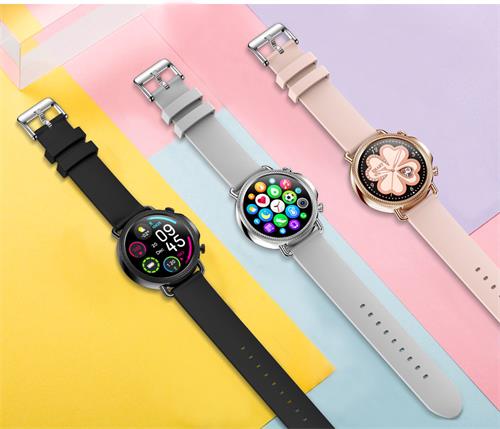
3.4 السوق الاستهلاكية
مع إنفاق الحكومات على تطوير المدن الذكية وتسهيل تطوير إنترنت الأشياء، من المتوقع أن تؤدي التطبيقات المختلفة إلى زيادة الطلب على الساعات الذكية.
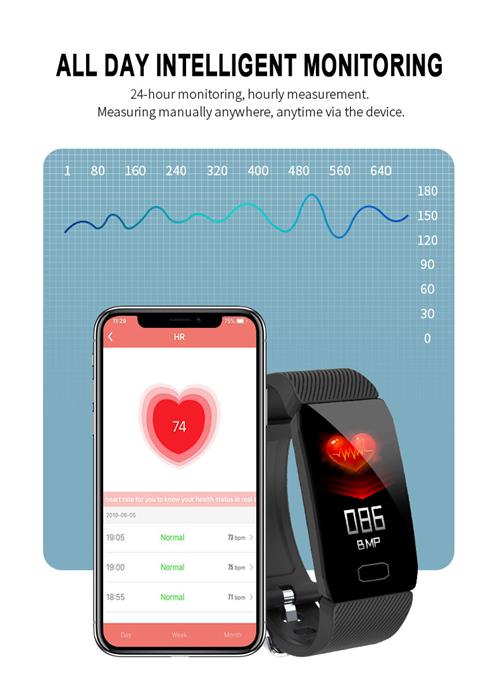
إن الطلب المتزايد على الساعات الذكية المزودة بأحدث الميزات هو السبب الرئيسي الذي من المتوقع أن يحفز نمو سوق الساعات الذكية في جميع أنحاء العالم. بالإضافة إلى ذلك، يتزايد عدد المستهلكين النهائيين الذين يتبنون خدمات الرعاية الصحية المنزلية عن بُعد، مما يؤدي أيضًا إلى زيادة الطلب على الساعات.
يمكن أن تساعد في مشاركة البيانات الصحية مع المتخصصين أو الأطباء المتعاقدين عبر الإنترنت وتنبيه خدمات الطوارئ عند الحاجة. كما تزيد الرعاية الصحية المنزلية من الطلب على الساعات الذكية الاحترافية.
ما هي سيناريوهات تطبيقك مع الساعة الذكية؟ شاركنا بفكرتك.
Major Smartwatch Brands (What people often mean by “smartwatch manufacturer”)
Quick note: the brands below are for market reference only. They are not OEM/ODM factories.
If you’re looking for a smartwatch manufacturing partner (OEM/ODM) to build your own product, jump to “How to Evaluate a Smartwatch Manufacturer” and use the Supplier Scorecard + RFP template on this page.
Search intent is mixed for “smartwatch manufacturer”. Some people want to know the leading consumer brands. Others are trying to source an OEM/ODM partner to build a product for their own brand or project.
To avoid confusion, this section lists major brands for reference. It helps you understand what “good products” look like in different segments (premium, fitness, Android-focused, rugged, etc.).
But if your real goal is manufacturing (OEM/ODM), you should evaluate very different things: firmware scope, sensor data access, connectivity, documentation, compliance plan, and how the supplier supports samples → pilot → scale.
Use this page as a decision guide: learn the criteria first, then shortlist partners. Don’t start from a “top 10” list.
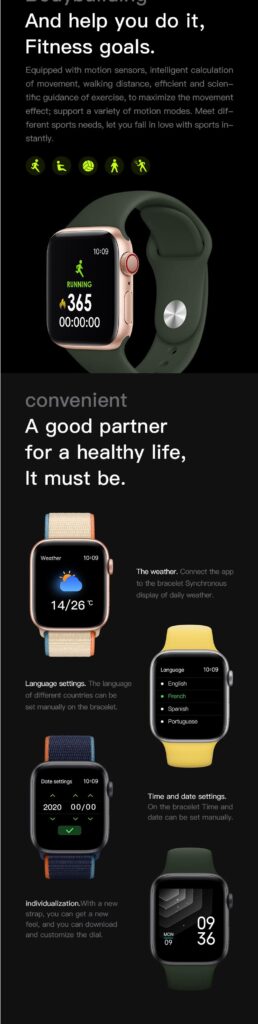

4.1 التفاح
https://www.apple.com/watch/
Known for: premium ecosystem-driven smartwatches, strong health features, and tight iPhone integration.
Best for: premium consumer positioning and iOS-first user bases.
What to check: device compatibility (iOS requirements), regional availability, and long-term software support expectations.
4.2 سامسونج
https://www.samsung.com/us/watches/
Known for: mainstream Android smartwatches with broad features and strong hardware design.
Best for: Android-first markets and buyers who want a well-known consumer brand.
What to check: Android ecosystem fit, app/service dependencies, and region-specific model availability.

4.3 لينوفو
https://www.lenovo.com/
Known for: a wide consumer electronics portfolio and occasional smartwatch offerings.
Best for: buyers exploring broad consumer electronics ecosystems.
What to check: current smartwatch lineup (can vary by cycle), software ecosystem, and support/updates in your target region.

4.4 غارمين
https://www.garmin.com/en-US/
Known for: GPS-focused sports and outdoor wearables with strong tracking features.
Best for: sports, outdoor, and training-heavy use cases.
What to check: positioning accuracy expectations, map/service dependencies, and feature differences across product lines.

4.5 فيتبيت
https://www.fitbit.com/
Known for: fitness tracking and health-focused wearables with strong consumer branding.
Best for: lifestyle fitness and wellness-oriented product expectations.
What to check: platform/account requirements, app ecosystem fit, and availability/support in your target market.

4.6 إل جي
https://www.lg.com/us/mobile
LG is a global electronics brand. Wearable availability can vary by product cycle and region.
Best for: market reference only (brand-level comparison).
What to check: the latest lineup, OS compatibility, and long-term software support before making decisions.
4.7 هواوي
https://consumer.huawei.com/en/wearables/
Known for: strong consumer wearables presence in many markets, with a broad product lineup.
Best for: buyers comparing major consumer brand options, especially outside the US ecosystem.
What to check: service/app ecosystem requirements, regional availability, and any platform restrictions in your target market.

4.8 الحفريات
https://www.fossil.com/en-us/smartwatches/smartwatches/
Known for: fashion-led wearables and watch-style designs across multiple product generations.
Best for: design-first positioning where aesthetics matter.
What to check: current model availability, OS/platform support, and how well features match your target users.

4.9 قطبية كهربائية قطبية
https://www.polar.com/us-en/products
Known for: training and sports-focused wearables with strong fitness tracking heritage.
Best for: professional training, coaching, and sports performance scenarios.
What to check: analytics/software ecosystem, sensor/training metrics fit, and region-specific product support.
OEM/ODM Manufacturing Partner Spotlight (not a consumer brand)

4.10 مسيرة iSmarch
https://www.ismarch.com
iSmarch (OEM/ODM) builds project-ready smartwatches and smart bands for private label and enterprise/IoT use cases.
What we provide:
– Wearable hardware + protocol/SDK documentation for integration
– Multiple connectivity options (BLE / LoRaWAN / cellular, model dependent)
– Sample → pilot → scale support, with scope-controlled customization
What we typically don’t provide by default:
– A full hosted dashboard/app/backend (usually owned by the customer or integrator)
Best next step:
Share your workflow (device → receiver → server → dashboard), preferred connectivity, and pilot quantity — then we’ll recommend the closest reference model and the fastest path to start.
Factory/OEM/ODM details: https://ismarch.com/smartwatch-manufacturer/
OEM vs ODM vs Full Custom (and the safest way to start)
Smartwatch OEM
These terms are often mixed up. Here’s the practical difference:
• OEM (private label):
Use an existing hardware platform and produce under your brand. Branding and small configuration changes are common.
• ODM (platform-based customization):
Start from an existing platform, then modify firmware/behavior/protocol within a controlled scope to match your workflow.
• Full custom:
New industrial design, new PCB or major hardware changes. This has the highest cost/risk and should only start after a validated pilot and locked requirements.
ما نوع أعمال التخصيص التي يمكن أن تقوم بها في مشروع الساعة الذكية؟
ألوان مختلفة من علبة الساعة، يمكنك حتى اختيار مواد خام أخرى أو معالجة خارجية بناءً على احتياجاتك;
حزام الساعة الذكية المصنوع من المواد الخام للساعة الذكية هو حزام قياسي من السيليكون، ولكن يمكنك تخصيص حزام من الجلد أو حزام منسوج أو شبكة أو حزام فولاذي بألوان مختلفة، أو يمكنك عمل بعض الشعارات أو طباعة الصور على الأحزمة;
تخصيص تطبيقك، أو كيفية عرض البيانات، أو اسم التطبيق. أو يمكننا أن نرسل لك مجموعة تطوير البرمجيات SDK الخاصة بالتطبيق، ثم تقوم أنت بدمج تطبيقك في الساعة الذكية;
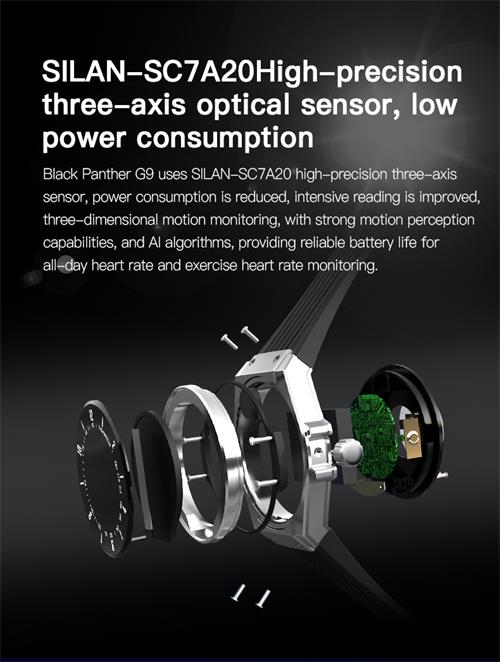
OEM (private label) — fastest path to pilot
OEM is best when you want a fast pilot with minimum risk.
Typical OEM scope includes:
• Logo/branding, strap/color options
• Packaging adjustments
• Feature toggles within existing firmware options (model dependent)
Best practice: start with 1–2 samples to validate the workflow first, then scale to a small pilot before mass production discussions.
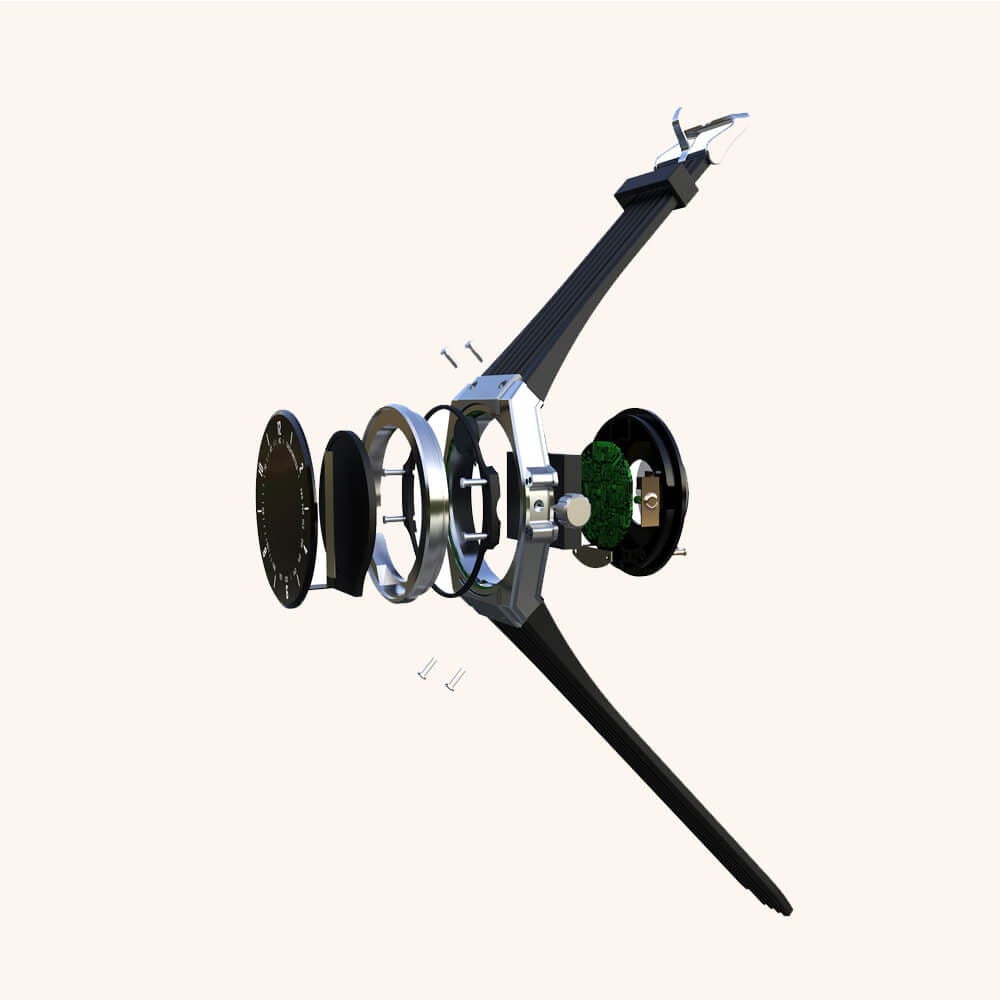
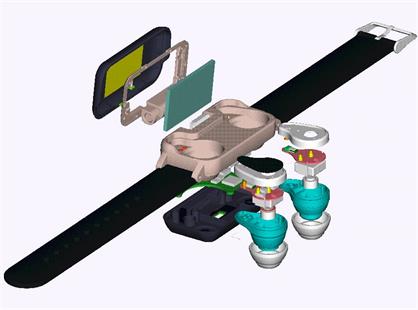
ODM (platform-based) — scope-controlled customization
ODM is for projects that need controlled changes beyond branding, such as:
• Firmware behavior tweaks (sampling, triggers, alerts)
• Protocol adjustments (within a defined scope)
• Integration-friendly outputs for your backend/dashboard
Before any ODM evaluation, confirm:
• Data flow (device → receiver → server → dashboard)
• Who owns decoding/integration
• Raw data vs processed metrics
• Any downlink/OTA/commands needed
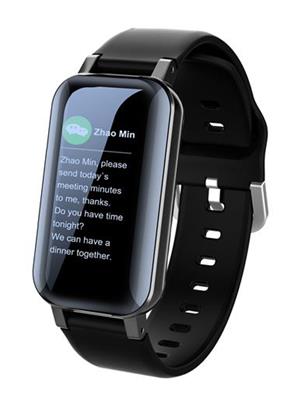
How to choose: OEM vs ODM vs Full Custom
Choose based on risk and speed:
• Choose OEM if:
You want the fastest validation and can accept an existing platform.
• Choose ODM if:
Your workflow needs specific firmware/protocol behaviors, but you still want to reuse an existing platform.
• Choose Full custom if:
You must change enclosure/PCB/antennas/sensors significantly — and you already validated the pilot and locked the requirement document.
Recommended path: sample → pilot → customization level
To avoid expensive mistakes, we recommend:
Level 0 — Standard product (validate workflow fastest)
Level 1 — Light customization (branding / small toggles)
Level 2 — Medium customization (firmware/protocol tweaks within scope)
Level 3 — Deep customization (PCB/enclosure/mold)
Best next step is usually 1–2 samples for a quick pilot. After the workflow is proven, we can lock the customization level and discuss the project plan.
How to find a reliable smartwatch manufacturer (7-step sourcing process)
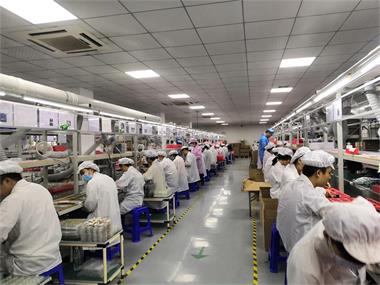
Use this 7-step process to source a reliable smartwatch manufacturer without wasting weeks on back-and-forth:
Step 1 — Define your category + success metric
Decide your product category and what “success” means in a pilot (battery target, workflow, key features).
Step 2 — Lock the workflow
Write the data flow in one line: device → phone/gateway → server → dashboard/alerts. Confirm who owns decoding and integration.
Step 3 — Decide connectivity + data needs
Choose BLE / LoRaWAN / cellular (project dependent). Confirm whether you need raw sensor signals or processed metrics.
Step 4 — Shortlist 3–5 suppliers using the scorecard
Score category fit, firmware/data access, connectivity, compliance plan, and QC process — don’t rely on a “top 10” list.
Step 5 — Send one consistent RFP
Use the same RFP template to all suppliers so replies are comparable (model recommendation + what’s standard vs custom).
Step 6 — Run samples → pilot
Start with 1–2 samples, then a small pilot. Validate real workflow before discussing deep customization.
Step 7 — Only then discuss customization level and scaling
Lock the customization level (OEM / ODM / full custom), confirm scope, then move to production planning.
About iSmarch (and when we’re a good fit)
الشركة الرائدة في تصنيع الساعات الذكية في الصين
من خلال خبرة iSmarch التي تزيد عن 9 سنوات في مجال الساعات الذكية في تطبيقات مختلفة، نقدم ساعة ذكية للمستهلكين للمتاجر الكبيرة على الإنترنت والمتاجر الفعلية والعلامات التجارية الكبرى للساعات وحلول إنترنت الأشياء الذكية القابلة للارتداء للرعاية الصحية ودار الرعاية الصحية والحرم الجامعي الذكي وسير العمل والسجن، إلخ
iSmarch هي واحدة من أوائل الشركات التي تركز على الأدوات الخاصة لتصنيع الساعات الذكية وسوار اللياقة البدنية وتستخدم معرفتنا في تطبيق عمليات صارمة لمراقبة الجودة، بدءًا من الاختبارات القياسية العادية إلى اختبار التطبيقات والبرامج ولوحة PCBA واختبار البطارية.
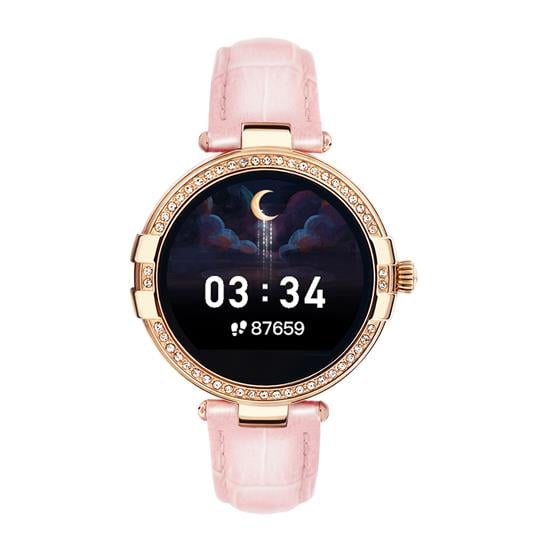
Product & Engineer Team
Wide Smartwatch Product Range
نعتمد تكنولوجيا متقدمة عالمية المستوى للإنتاج وهندسة البحث والتطوير. نحن ننتج مجموعة كاملة من الساعات الذكية، وأساور اللياقة البدنية، والأساور الذكية، ونظام تحديد المواقع العالمي للرياضات الخارجية، وساعة SOS، والساعة الذكية للكبار، والساعة الذكية للأطفال، وساعة الموضة الذكية للسيدات.
لدينا أيضًا ساعة ذكية احترافية للتطبيقات الرأسية مثل دار رعاية المسنين، والرعاية الصحية عن بُعد، والمراقبة عن بُعد للعلامات الحيوية. نحن نبيع حلاً لعملائنا.
Strong R&D Engineer Team
لدينا أكثر من 50 مهندسًا محترفًا في صناعة الأجهزة الذكية القابلة للارتداء في فريقنا. تغطي قدرات فريق المهندسين لدينا تصميم الأجهزة وتحويل فكرتك من ورقة رسم إلى واقع ملموس. وكذلك تطوير البرمجيات، بما في ذلك تطوير الخوارزميات والتطبيقات والبرامج الثابتة.
يقدم فريق iSmarch باستمرار حلولاً متكاملة للساعات الذكية. لذا نرحب بأي مشروع لتصنيع المعدات الأصلية وتصنيع التصميم الأصلي للساعات الذكية. هذا ما نقوم به بشكل أساسي لعملائنا.
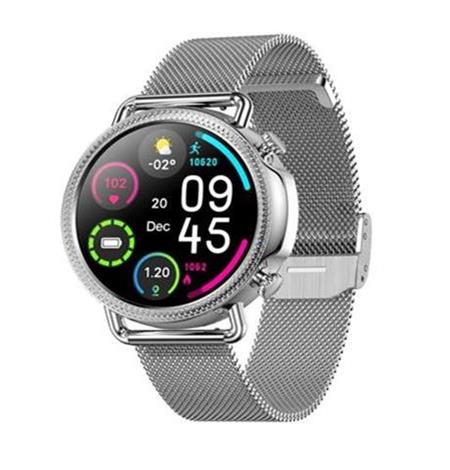
Factory & MOQ
Advanced manufacturing process & quality control
مع أكثر من تسع سنوات من الخبرة في صناعة الساعات الذكية، ننتج منتجاتنا استنادًا إلى عملية تصنيع حديثة قائمة على نظام تخطيط موارد المؤسسات، مما يجعل كل الإنتاج تحت الإدارة. ولهذا السبب نحافظ على جودة ثابتة ومستمرة ووقت تسليم سريع لعملائنا. وهذا أحد العوامل الحاسمة للنجاح في صناعة الساعات الذكية.
Flexible MOQ + 48 hours stock ready for shipment
إذا كنت ترغب في إضافة ساعة ذكية إلى خط إنتاجك لاختبار السوق، فستفضل أن تبدأ بطلب صغير والمزيد من وحدات حفظ المخزون. ونحن نتفهم تمامًا ما يقلقك لأننا نساعد بالفعل العديد من شركات الساعات/الإلكترونيات الاستهلاكية/الهدايا من الصفر لتصبح من أفضل 3 مزودي الساعات الذكية في السوق.
سنحتفظ بمخزون كافٍ لشحن لمدة 48 ساعة لمعظم سلعنا الرئيسية المبيعة بعد استلام دفعتك. وموك لدينا هو 100 قطعة فقط لكل صنف بعد اختبار العينة الخاصة بك، ولكن هذه ساعة ذكية محايدة وحزمة.
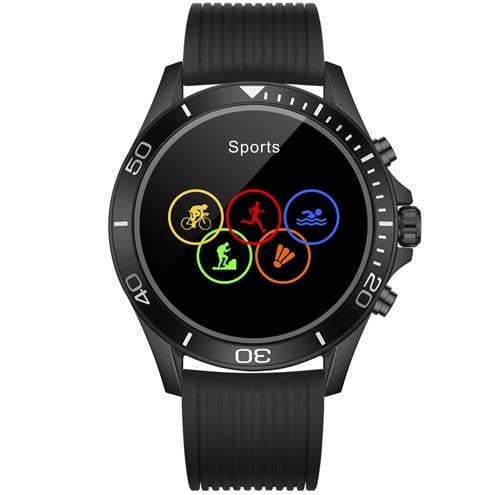
القيمة المضافة
Extra Free Service
لدى iSmarch فريق تسويق مدرب جيدًا يمكنه مساعدتك في إنشاء التسويق المستندات والمواد الخاصة بعلامتك التجارية مثل صور المنتجات عالية الدقة، والصور ثلاثية الأبعاد، والعرض للمتجر الفعلي أو المعرض، وتحليل المنافسة التسويقية والمزيد...
نحن نستفيد من نجاح عملائنا، لذلك نحن حريصون على توفير مستندات تسويقية فعالة لدعم الترويج لساعاتك الذكية. تهدف جميع خدماتنا الإضافية الإضافية إلى توفير حل متكامل وفعال من حيث التكلفة وكامل وشامل لشركتك.
من ناحية أخرى، لدينا سنوات عديدة من الخبرة في مجال الساعات الذكية، لذلك نحن نتفهم جميع أسئلتك التي قد تواجهها، وسيكون لدينا سلسلة من مقاطع الفيديو والأسئلة الشائعة بصيغة PDF لإرشادك عند وجود أي أسئلة لديك.
Mini Directory (Buyer-friendly, category style)
Use these as starting points. When you’re ready to hire, jump to the service page: smartwatch manufacturer →
Featured: iSmarch — Smartwatch Manufacturer
Profile: Shenzhen-based; OEM/ODM and full custom; SDKs & protocol docs available.
Highlights: nRF52840 BLE platform, rugged TFT/MIP designs, options for GPS/UWB/LoRaWAN/CAT-1.
Private-label Consumer Styles (Category)
Slim fitness, outdoor sports, niche screenless/hybrid; branding packs, gift packaging.
Project-grade / Enterprise (Category)
Raw data access (PPG/accel/gyro where applicable), gateway integration, module openness by agreement.
Explore custom path →
Positioning & Safety Add-ons (Category)
UWB ranging variants, beacon-assisted indoor positioning, helmet attachments with prompts.
Frequently Asked Questions
A brand sells products to end users. An OEM/ODM manufacturer builds hardware for your brand or project. Sourcing a manufacturing partner requires checking firmware scope, data access, integration ownership, and pilot validation — not just brand popularity.
Typically no. We provide wearable hardware plus protocol/SDK documentation and integration guidance. The app/dashboard/backend is usually built and owned by the customer or their system integrator (unless it becomes a paid custom project).
Use case + who wears it, where it’s used (indoor/outdoor/both), preferred connectivity (BLE/LoRaWAN/cellular), your data workflow (device → receiver → server → dashboard), raw data vs processed metrics, pilot quantity, and timeline.
Samples first. A small pilot is the fastest way to validate the real workflow and integration on your side. After the workflow is proven, we lock the customization level and discuss the project plan.
Yes, within a controlled scope. For deeper changes, we need a clear requirement document and confirmed responsibilities (who owns backend/app, decoding, and integration).
It depends on the model and the integration method. Some raw data access may require a connected workflow (SDK/protocol) and, in certain cases, customization. Tell us what data you need and how you plan to process it.
Not before real conditions are confirmed. Accuracy and battery life depend on wearing conditions, movement, environment, firmware settings, and data upload strategy. That’s why we recommend a pilot test first.
We provide protocol/SDK documentation and explain the integration path. Payload decoding and platform integration are typically implemented on the customer side (server/app/dashboard), unless otherwise contracted.
Certification depends on the target market and the exact model/configuration. Confirm your destination market first, then we can align on a compliance plan before any commitments.
استشر خبير ساعة iSmarch الذكية الخاص بك
To recommend the right model and sample plan, please share the basics below. Short answers are fine — we just want to avoid guessing wrong.
Please include:
1) Use case + who wears it (and where: indoor/outdoor/both)
2) Desired workflow (device → phone/gateway → server → dashboard/alerts)
3) Connectivity preference (BLE / LoRaWAN / cellular)
4) Data needs (raw signals vs processed metrics; any downlink/OTA/commands?)
5) Quantity & timeline (samples / pilot / scale)
 العربية
  English
  Español de Argentina
  Português do Brasil
  Deutsch (Sie)